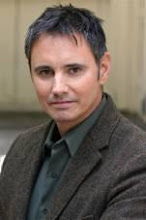
A note from a family member we worked with, which speaks to the effectiveness and overall positive results that were created by doing an intervention.
I would just like to thank Ken for his support and dedication to his
job. It is 5 months since our intervention with Ken and I am proud to
say my husband has been in treatment for 14 days. Ken brought me the
education I needed, the best treatment facility and a caring ear to listen.
Thanks to Ken, my sons will get their father back and I will have my
husband back. Ken is a credit to his profession and the compassion and
support he gives a client goes above and beyond. His dedication to
helping others is amazing. I will always be grateful and advise anyone
who doubts the power of an intervention, then you haven't had it
done by the best. Everyone has a bottom and Ken helped me through that
process. What is the other alternative, death? Ken keep doing what you
do best, one intervention at a time.
Wednesday, March 25, 2009

Monday, March 16, 2009
Restoration Through Recovery

I look at recovery in the same sense I look at restoration. Allow me to explain.
My sponsor, whom I adore, is thorough. My stepwork involves typically ten typed pages of work. Not all sponsers sponsor this way but mine does. As I go through these steps I am seeing a very clear thread come to fruition. This is the overall thread of restoration.
As I've heard a wise man say, "This is not about making a bad man good. This is about making a good man well." This is incredibly true. Addicts and alcoholics, whether born with a predisposition to addiction or not, were not born to be bad people. The process of becoming addicted and allowing that addiction to become the most important and sometimes the only priority in life is par for the course for an addict. We were born to be well, born to be whole and born to be happy. Anything that veers away from that original design is not part of the original design. The life of an addict is like building a monument. Each resentment, each painful experience in life, each time we are shorted our end of the deal is like placing a brick in the monument. There comes a time when the monument is so big and so daunting it seems insurmountable. Enter hopelessness.
Drug and alcohol treatment is the first step toward loosening the bricks of this monument. With each step taken in honesty and right motives, we are removing a rock from that wall and allowing ourselves to be accessable to the good that lies ahead if we continue walking in recovery.
My sponsor has made it clear that by working the 12 steps, we will find our "true selves" and let go of the "false selves" that addiction has created. I hear families I work with talk about how their loved one just "isn't the same ___________ we used to know." They are right. Only through progressing in sobriety will we find out exactly who we were meant to be. By the time we get sober, the wall between who we are and who we were meant to be is extraordinarilly large.
Once we get into recovery, there are very simple steps that must be taken on a regular basis to keep the monument from being formed again. In addition to working with a sponsor, going to meetings and participating in service to others, there are little things that can have a big impact in the quality of our lives. These things, in my opinion, consist of holding onto anger, negative self talk, ungratefullness and self pity. Each time we pick up the brick of negative confession (speaking negative things about ourselves, our lives or otherwise) we are building our monument. Each time we refuse to see the good that we have in our lives because we are more comfortable in our misery, we are placing a brick in the wall.
Even in sobriety, the wall can become so insurmountalbe, we feel hopeless and even angry. Nothing is so scary as a hopeless sober alcoholic or addict. It simply should not be. We have been restored. We are in recovery. These things alone are a testament to the goodness at play in our lives.
Building a monument of negativity will do much: it will cut us off from peace, it will steal our joy and will make us inaccessable to the "sunlight of the spirit". This sunlight is what allows us to see the good in our life, the good in others and the good works taking place as a result of no longer being spiritually bankrupt. See, through recovery, we are no longer living in the darkness of addiction. There is light, and not just as the end of the tunnel. We no longer have to live in the tunnel at all. By relieving ourselves of the fear, shame, hate and other character defects we discover in ourselves, we are becoming reachable and teachable to our Higher Power and the blessings He so desperately wants to impart to us.
Leave the bricks alone! They will build a monument that cuts us off from the goodness in the world and the gratitude we are to have for this new life we've been given. Take positive steps, create solid positive bricks and build on the foundation that we are creating in our sobriety. Declare positive affirmation, speak positive words and take a moment each day to reflect on the things you are grateful for. Simple? Yes. Tedious at times? Yes. Powerful? Bet on it.
Tuesday, March 10, 2009
The Reality of Meth

This poem was written by a recovering meth addict years ago. This is the reality of the drug and if you or a family member have a problem with meth, please call us right away. This addiction is not going to go away on it's own and needs serious treatment to assist the addict with reclaiming a life of freedom in recovery.
Hello, My Friend
I destroy homes. I tear families apart.
I take children and that’s just a start.
I’m more valued than diamonds, more precious than gold.
The sorrow I bring is a sight to behold.
If you need me, remember, I’m easily found.
I live all around you, in school and in town.
I live with the rich, I live with the poor.
I live just down the street, and maybe next door.
I’m made in a lab, but not one like you think.
I can be made under the kitchen sink, or in your
Child’s closet, even out in the woods.
If this scares you to death, it certainly should.
I have many names, but there’s one you’ll know best.
I’m sure you’ve heard of me. My name’s Crystal Meth.
My power is awesome. Try me. You’ll see.
But if you do, you may never break free.
Just try me once, I might let you go.
Try me twice and I’ll own your soul.
When I possess you, you’ll steal and you’ll lie.
You’ll do what you have to, just to get high.
The crimes you’ll commit for my narcotic charms
Will be worth the pleasure you’ll feel in my arms.
You’ll lie to your mother, you’ll steal from your dad.
When you see their tear, you must not feel sad.
Just forget your morals, and how you were raised.
I’ll be your conscience. I’ll teach you my ways.
I take kids from parents. I take parents from kids.
I turn people from God. I separate friends.
I’ll take everything from you, even your good looks and
Pride. I’ll be with you always, right by your side.
You’ll give up everything. Your family, your home.
Your money, your friends, you’ll be all alone.
I’ll take and I’ll take till you’ve no more to give.
When I finish with you, you’ll be lucky to live.
If you try me, be warned. THIS IS NOT A GAME.
If I’m given the chance, I’ll drive you insane.
I’ll ravage your body. I’ll control your mind.
I’ll own you completely. Your soul will be MINE.
The nightmares I’ll five you when you’re lying in bed,
And the voices you hear from inside your head.
The shakes, the sweats, and the visions you’ll see.
I want you to know, these are your gifts from me.
By then it’s too late, and you’ll know in your heart,
That you are now mine, and we shall not part.
You’ll regret that you tried me. They always do.
But you came to me. Not I to you.
You knew this would happen. How many times were you told?
But you challenged my power. You chose to be bold.
You could have said “no” and just walked away.
If you could live over, now what would you say?
My power is awesome, as I told you before.
I can take your mother and turn her into a whore.
I’ll be your master, you’ll do as I say,
Even when I tell you to go to your grave.
Now that you’ve met me, what will you do?
Will you try me or not? It’s all up to you.
I can show you more misery than words can tell.
Come, take my hand. Let me lead you to hell.
A Solution for Video Game Addiction

Just because an addiction is uncommon or not taken seriously doesn't mean that it isn't just as painful and destructive. Enter Video Game Addiction and yes, there is help.
One of the issues that I've encountered more than once in working with families who have a loved one in the throws of addiction is an addiction to video games. Some people may not consider this a real issue and that it cannot possibly affect someone in the devastating ways that drugs and alcohol do. Not so. In fact this particular addiction can present problems that do not occur in cases involving drugs and alcohol.
First, video games are a form of entertainment and most people know they can be very attractive, possibly relaxing and incredibly entertaining. However, anything, let me say again, anything that is causing someone negative consequences, yet they continue to take part in the behavior, is not healthy and should be examined further. The families I've spoke with while working for Intervention 911 have told me about their loved ones losing jobs, losing friends and significant others as well as watching their finances slowly but surely go down the drain. The unfortunate aspect of video game addiction is that it is not highly regarded as life threatening and so treatment options for this addiction are very few and far between. I would consider anything life threatening if the addict is choosing to partake in the activity instead of shower, eat or even sleep.
Intervention 911 has a solution for this rare but still very serious condition. The In-Home Treatment that is offered is an excellent option for treating this type of problem. Basically, the program of treatment we provide is one where the treatment comes to famiy and the addict. It involves the same types of therapy and education that one could expect from a large facility, yet the treatment itself is tailored for that particular addict alone. It is as private as the family and addict desires, yet is very effective at treating the problem at the source in the very situation in which it takes place. Family groups, one-on-one therapy, meditation, life skills and intensive work on the source of the problem takes place. Guiding the addict in re-entry into society is crucial to the success of this and any treatment program.
I very seriously urge anyone who feels they may not be well suited to the group dynamics, travel or being away from one's job or responsibilities for the length of a treatment program to call us to discuss our Intensive In-Home Treatment Packages.
Don't waste another day. The solution starts here.
Saturday, February 7, 2009
Friday, February 6, 2009
Emotional Sobriety

I sat in a meeting last night and listened to a wheelchair bound man talk. He didn't talk about how much it sucked for him to be handicapped, which he has been for over 17 years, or how much harder it is to stay sober without the use of his legs.
No, he spoke in depth about emotional sobriety.
That's the thing: life without drugs and alcohol is great, really it is. But without a solid program of recovery and spirituality in place, it simply will not be all that it can be. In fact, it may be downright miserable. Recovery is not about putting down the drink or the drug. That is only the beginning. Recovery is about getting inside of yourself, finding out what plagues you and dealing with the issues that make you want to run from reality. Once you can look at those issues and start to walk through them, leaving guilt, anger and blame along the path as you go, the real healing begins. Without a good program of recovery, an addict is left with themselves, and they are still suffering from the sickness. The substances are merely a symptom of the problem and left untreated, that problem will rear its ugly head again and again.
As I listened to "X" speak about emotional sobriety it dawned on me, as it has before, that if this were just about drugs and alcohol, 12 step meetings would be sparse, but they are not. You can walk into a meeting of AA or NA or the like and it will likely be packed. It will be packed with some people who are struggling to stay sober. The majority, though, are people who are struggling with regular life problems. As addicts, we behaved in ways that were shameful, bitter and unhealthy. As addicts in recovery, we are given the option of living differently. We have the choice to use the same survival mechanisms that we used in our addiction or use new ones where we don't get to hurt other people in the process.
That is what emotional sobriety is about. Being clean and sober isn't enough. Being clean and sober within one's heart and mind is more than enough. Getting there demands honesty and hard work.
This same man who was speaking last night once told me: "AA is not for people who need it, not for people who want it, but for people who are willing to work their ass off to get it."
Monday, May 12, 2008
About Interventions
When is it too late for an intervention? I believe as long as an addict is breathing it is never too late, you never give up. There is still time to save their
life.
I believe this because I am a product of an intervention. I have the gift of being able to help people break the cycle, and that gift was given to me when an intervention was performed on me in 1989. I was addicted to crystal meth, alcohol and anything I could get my hands on. I believed I could do it on my own, but I was wrong. My employers sat me down with a professional interventionist and, in a loving way, told me I needed some help. Because of the intervention, I agreed to go into a treatment facility and have been clean since July 14, 1989.
I’m now an addiction interventionist and have been working in the field for most of my sobriety. I ended up in this line of work because of my own personal experience with addiction and because of my passion for helping others. Being able to help people break through the walls of addiction and denial is a gift that I will cherish until the day I die.
With addiction there’s a wall of denial that needs to be broken through before the healing can begin. Like many other medical conditions addiction can run in the family. Ten percent of the people in the world are born with a gene that makes them vulnerable to addiction. I had an incredible upbringing and I’m an addict while my sister is not. It’s the luck of the draw, so to speak.
Sometimes people blame the parents or the family. I work with hundreds of families all over the world, and while some of them are difficult, some of them are the most loving parents, and yet their kid suffers with addiction. Sometimes parents are addicts, but the children are not.
It’s important that people who blame get more education. Certainly family behaviors and trauma can do damage and can magnify the addiction but it’s not the root cause of addiction.
Addicts can be the most selfish people in the world – when using – and people who love addicts often experience a lot of anger. That can be a healthy anger if they’re angry about the addiction. They have to separate the addiction and their loved one. Addicts aren’t bad people, they’re sick people.
Instead of being angry with the addict, stand up in front of the addiction and say, “I love you, but I’m not going to love you to death.”
Many families and loved ones can be helped though Al-Anon or counseling before during or after the addicts find recovery.
Standing up to addiction isn’t easy. Between addiction and the human spirit, addiction is stronger, but if you become unified as a family, then you can become stronger than the addiction. The individual cannot fight the addiction by themselves once it has gone to a certain level, and that’s why there are treatment centers all over the world.
In America, there are 23 million Americans suffering from addiction, and only one per cent of them get treatment on their own. The denial is just so strong that it requires a combined effort.
Environment plays a huge part in people’s addiction.
You have to create an environment that stops the addiction. To stop the addiction, the person has to hit a bottom and realize they don’t want to live that way. That is where we come in to intervene, help raise the bottom of the addiction so it does not have to be jail or death.
We facilitate the healing process by getting as many family members, friends, co-workers or anybody who loves the addict, together in a room to confront the addict.
Most of the addict’s prayers are, “Please don’t let me wake up tomorrow. I don’t want to live this way.”
For some reason, when you have all these people in a room talking about how much they love the addict, it gives the addict a bit of hope to want to stay alive.
There’s no cookie cutter formula for an intervention.
Doing an intervention on a prescription medication addict is completely different than on someone who is getting their drugs off the street. What addicts have in common is that they all need to hit some form of bottom in order to break through. Every addict hits a bottom where using is not as fun as it use to be and is more devastating then wanting to seek help.
Professional interventionists help to create the type of rock bottom appropriate for a particular addict.
Every single addict who finally puts an end to their addiction - hits what the general public known as “rock bottom”. But what exactly is “rock bottom”? And how many different ways are there to get to that painful, yet powerfully healing place? Here is what I have come up with:
The five “rock bottoms” (Health, Emotional, Legal, Personal Finances and Spiritual) and why each of them works.
Health bottom: is usually very effective at stopping the addiction, since it usually means the addict is confronted with failing health and left with no choice but to either quit or die.
Emotional bottom: can be a variety of things, but is usually when the addict has pushed so many people from their life that the emotional strain becomes too great for them to bear.
Legal bottom: is when the law intervenes. It’s when their addiction has caused them to break the law and they have some form of legal action being taken against them. This leaves the addict with no choice but end the addiction due to facing criminal charges.
Personal finances bottom: is when the addict has used up all their resources—money, possessions and everything they own—leaving them with nothing but their own addiction.
Spiritual bottom: is something very personal between the addict and their God. It can be incredibly powerful, but also very difficult to predict.
Each of these bottoms is equal to each other—and just as influential as the other—for stopping an addiction in its’ tracks, so that the loved ones can once again reclaim their life back. Best of all, the five “rock bottoms” are easy to remember, since they spell out the word “HELPS”—something that each rock bottom does either individually and/or collectively to cure the disease of addiction.
In an intervention, we will also explain to the participants that having an addict in their life unfortunately means that they are also well on their
way to hitting their own rock bottom. Afterwards,
I’ll offer assurance that the tools they are about to learn will prevent them from ending up here again.
We do our best to facilitate a rock bottom for the addict. For a lot of people the physical bottom isn’t enough to make them stop – they’ll be brought back from the brink of death and go right back into their addiction.
There’s an emotional bottom, which is what we deal with in a professional intervention. We see people quit drinking because they ended up driving drunk with their kids in the car and they don’t remember how they got home. For some, that’s enough of an incentive. We try to pull at an addict’s heart strings in order to beat the addiction.
If that’s not enough, then there’s the financial bottom. That’s what ultimately worked for me – I got fired from my job and had no way to support myself. A lot of families give the addict money, and we get them to agree to stop doing that. We may go to the employer and ask them to support the intervention by cutting off the money. There are times when we have no control over this bottom either though, like the executive or business owner that has plenty of funds to live on if they stop working.
The legal bottom, a lot of people go to treatment because the courts say, “You either go to jail or you go into treatment.”
Every human being has a living nightmare meaning a bottom, and so we have to figure out how to make that nightmare a reality in a respectful and loving manner.
We only do this if they choose not to go to treatment after the letters are read and they did not hit that emotional bottom. The more bottoms that can be achieved the better the chances are of success.
Often family members will turn away because they simply feel they’ve done all they could, but I believe the only time you close that door is when the addict stops breathing. Do whatever you can to pull your loved one back. Closing the door while your loved one is still alive is a lose-lose situation – the addict goes further into addiction, and the family members’
hearts still ache. Love doesn’t stop.
Interventions work. It worked on me and I have seen it work on countless families. But an intervention is only the beginning of the road to recovery for the addict and the family. There is a lot of work ahead
for everyone. The payoff for me is seeing families
heal and find the love and happiness they thought was gone forever.
If you have someone you love that needs help, please contact a professional.
Ken Seeley, BRI II, CNDAI II, RASi is the founder of Intervention911.com and an interventionist on the A&E show Intervention.
life.
I believe this because I am a product of an intervention. I have the gift of being able to help people break the cycle, and that gift was given to me when an intervention was performed on me in 1989. I was addicted to crystal meth, alcohol and anything I could get my hands on. I believed I could do it on my own, but I was wrong. My employers sat me down with a professional interventionist and, in a loving way, told me I needed some help. Because of the intervention, I agreed to go into a treatment facility and have been clean since July 14, 1989.
I’m now an addiction interventionist and have been working in the field for most of my sobriety. I ended up in this line of work because of my own personal experience with addiction and because of my passion for helping others. Being able to help people break through the walls of addiction and denial is a gift that I will cherish until the day I die.
With addiction there’s a wall of denial that needs to be broken through before the healing can begin. Like many other medical conditions addiction can run in the family. Ten percent of the people in the world are born with a gene that makes them vulnerable to addiction. I had an incredible upbringing and I’m an addict while my sister is not. It’s the luck of the draw, so to speak.
Sometimes people blame the parents or the family. I work with hundreds of families all over the world, and while some of them are difficult, some of them are the most loving parents, and yet their kid suffers with addiction. Sometimes parents are addicts, but the children are not.
It’s important that people who blame get more education. Certainly family behaviors and trauma can do damage and can magnify the addiction but it’s not the root cause of addiction.
Addicts can be the most selfish people in the world – when using – and people who love addicts often experience a lot of anger. That can be a healthy anger if they’re angry about the addiction. They have to separate the addiction and their loved one. Addicts aren’t bad people, they’re sick people.
Instead of being angry with the addict, stand up in front of the addiction and say, “I love you, but I’m not going to love you to death.”
Many families and loved ones can be helped though Al-Anon or counseling before during or after the addicts find recovery.
Standing up to addiction isn’t easy. Between addiction and the human spirit, addiction is stronger, but if you become unified as a family, then you can become stronger than the addiction. The individual cannot fight the addiction by themselves once it has gone to a certain level, and that’s why there are treatment centers all over the world.
In America, there are 23 million Americans suffering from addiction, and only one per cent of them get treatment on their own. The denial is just so strong that it requires a combined effort.
Environment plays a huge part in people’s addiction.
You have to create an environment that stops the addiction. To stop the addiction, the person has to hit a bottom and realize they don’t want to live that way. That is where we come in to intervene, help raise the bottom of the addiction so it does not have to be jail or death.
We facilitate the healing process by getting as many family members, friends, co-workers or anybody who loves the addict, together in a room to confront the addict.
Most of the addict’s prayers are, “Please don’t let me wake up tomorrow. I don’t want to live this way.”
For some reason, when you have all these people in a room talking about how much they love the addict, it gives the addict a bit of hope to want to stay alive.
There’s no cookie cutter formula for an intervention.
Doing an intervention on a prescription medication addict is completely different than on someone who is getting their drugs off the street. What addicts have in common is that they all need to hit some form of bottom in order to break through. Every addict hits a bottom where using is not as fun as it use to be and is more devastating then wanting to seek help.
Professional interventionists help to create the type of rock bottom appropriate for a particular addict.
Every single addict who finally puts an end to their addiction - hits what the general public known as “rock bottom”. But what exactly is “rock bottom”? And how many different ways are there to get to that painful, yet powerfully healing place? Here is what I have come up with:
The five “rock bottoms” (Health, Emotional, Legal, Personal Finances and Spiritual) and why each of them works.
Health bottom: is usually very effective at stopping the addiction, since it usually means the addict is confronted with failing health and left with no choice but to either quit or die.
Emotional bottom: can be a variety of things, but is usually when the addict has pushed so many people from their life that the emotional strain becomes too great for them to bear.
Legal bottom: is when the law intervenes. It’s when their addiction has caused them to break the law and they have some form of legal action being taken against them. This leaves the addict with no choice but end the addiction due to facing criminal charges.
Personal finances bottom: is when the addict has used up all their resources—money, possessions and everything they own—leaving them with nothing but their own addiction.
Spiritual bottom: is something very personal between the addict and their God. It can be incredibly powerful, but also very difficult to predict.
Each of these bottoms is equal to each other—and just as influential as the other—for stopping an addiction in its’ tracks, so that the loved ones can once again reclaim their life back. Best of all, the five “rock bottoms” are easy to remember, since they spell out the word “HELPS”—something that each rock bottom does either individually and/or collectively to cure the disease of addiction.
In an intervention, we will also explain to the participants that having an addict in their life unfortunately means that they are also well on their
way to hitting their own rock bottom. Afterwards,
I’ll offer assurance that the tools they are about to learn will prevent them from ending up here again.
We do our best to facilitate a rock bottom for the addict. For a lot of people the physical bottom isn’t enough to make them stop – they’ll be brought back from the brink of death and go right back into their addiction.
There’s an emotional bottom, which is what we deal with in a professional intervention. We see people quit drinking because they ended up driving drunk with their kids in the car and they don’t remember how they got home. For some, that’s enough of an incentive. We try to pull at an addict’s heart strings in order to beat the addiction.
If that’s not enough, then there’s the financial bottom. That’s what ultimately worked for me – I got fired from my job and had no way to support myself. A lot of families give the addict money, and we get them to agree to stop doing that. We may go to the employer and ask them to support the intervention by cutting off the money. There are times when we have no control over this bottom either though, like the executive or business owner that has plenty of funds to live on if they stop working.
The legal bottom, a lot of people go to treatment because the courts say, “You either go to jail or you go into treatment.”
Every human being has a living nightmare meaning a bottom, and so we have to figure out how to make that nightmare a reality in a respectful and loving manner.
We only do this if they choose not to go to treatment after the letters are read and they did not hit that emotional bottom. The more bottoms that can be achieved the better the chances are of success.
Often family members will turn away because they simply feel they’ve done all they could, but I believe the only time you close that door is when the addict stops breathing. Do whatever you can to pull your loved one back. Closing the door while your loved one is still alive is a lose-lose situation – the addict goes further into addiction, and the family members’
hearts still ache. Love doesn’t stop.
Interventions work. It worked on me and I have seen it work on countless families. But an intervention is only the beginning of the road to recovery for the addict and the family. There is a lot of work ahead
for everyone. The payoff for me is seeing families
heal and find the love and happiness they thought was gone forever.
If you have someone you love that needs help, please contact a professional.
Ken Seeley, BRI II, CNDAI II, RASi is the founder of Intervention911.com and an interventionist on the A&E show Intervention.
Subscribe to:
Posts (Atom)